Celebs
Raveena Tandon Says Bollywood Comedy Has Failed Its Heroines

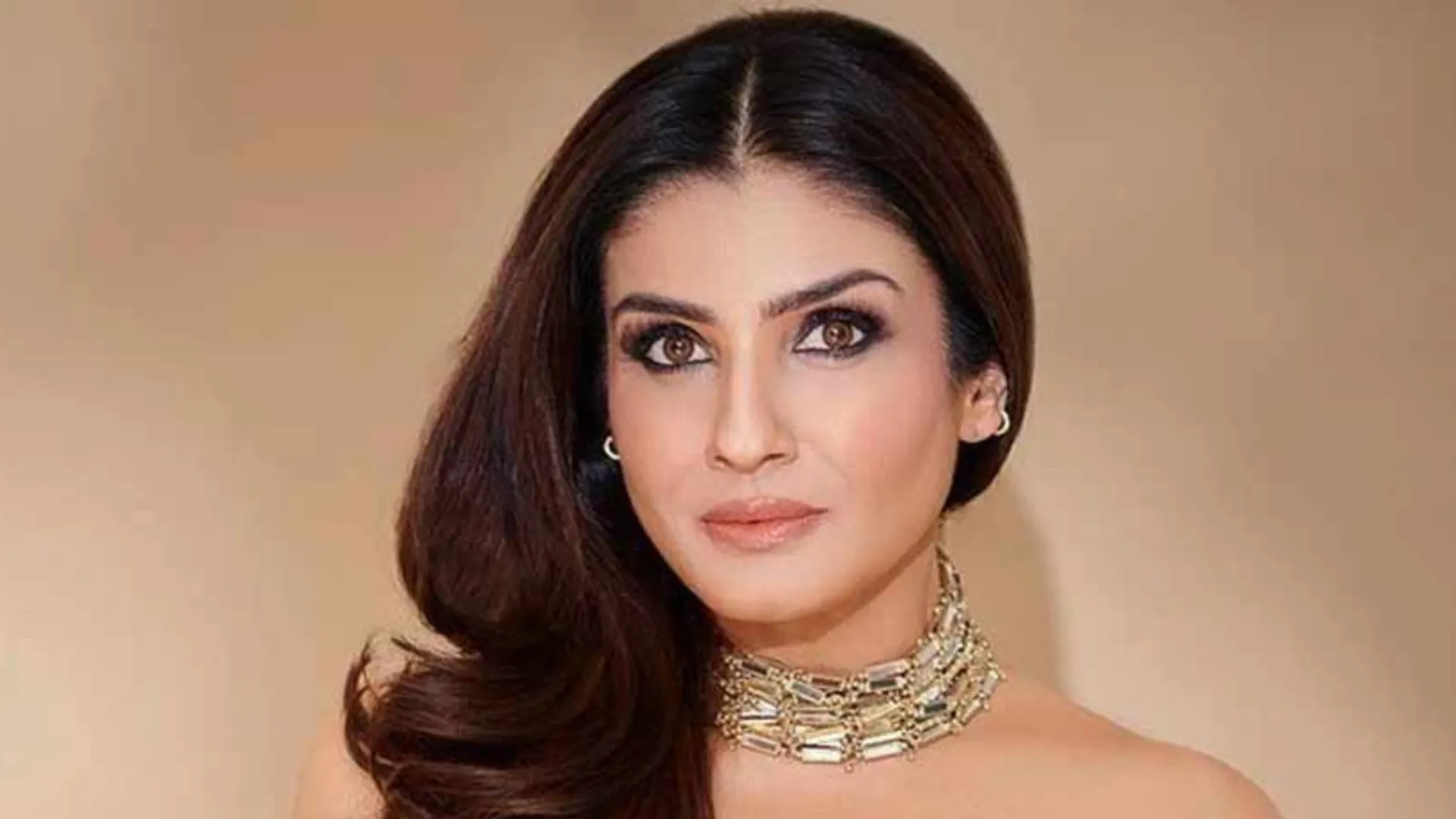
Raveena Tandon has delivered a sharp critique of modern Hindi cinema, arguing that Bollywood comedy has become creatively restrained and has steadily sidelined women. Speaking while promoting Welcome to the Jungle, the actor said today’s scripts reduce actresses to “glamorous catalyst characters” instead of giving them meaningful comic roles.
Raveena Tandon’s comments arrive at a time when Bollywood comedy is once again under scrutiny. Although Welcome to the Jungle has crossed ₹100 crore worldwide, the ensemble entertainer has also faced criticism for giving many of its female characters little meaningful material despite featuring several established actresses.
Reflecting on the evolution of comedy in Hindi cinema, Tandon argued that the carefree energy that defined the 1990s has largely disappeared. She believes filmmakers are now constrained by the fear of social media backlash, making comedy a far more cautious exercise than it once was.
“Making people laugh without someone getting offended is probably the ultimate tightrope walk today,” she said, recalling how films in the 1990s embraced spontaneous, uninhibited humour without worrying about viral clips or online outrage. In her view, today’s writers frequently second-guess jokes before audiences even see them, stripping comedy of the freedom it requires to succeed.
Her strongest criticism, however, was reserved for the way female characters are written. Tandon argued that actresses possess the comic ability to carry memorable performances, but contemporary scripts rarely trust them with fully developed humorous roles.
She said modern comedies have become increasingly plot-driven or overloaded with massive ensemble casts, leaving little room for women to develop their own comic identities. Instead of becoming active drivers of humour, heroines often function as stylish supporting figures whose primary purpose is to move the story forward.
Tandon described today’s actresses as “sharp, polished” performers with excellent comic timing, but said the industry repeatedly confines them to glamorous roles rather than allowing them to embrace flawed, chaotic and unapologetically funny characters. She urged writers to create female protagonists who are messy, eccentric and fearless instead of obsessing over perfection or political correctness.
Looking back, Tandon credited several legendary actresses for proving that comedy could belong to women just as much as men. She described Sridevi as the benchmark for female comic performances, praising her work in Mr. India and ChaalBaaz for combining slapstick, physical comedy and glamour without compromise. She also highlighted Juhi Chawla’s impeccable comic timing while acknowledging the wit and spontaneity brought to Hindi cinema by Geeta Bali and Madhubala.
Tandon’s own career reflects that tradition. Throughout the 1990s she became one of Bollywood’s most successful comedy stars through films such as Dulhe Raja, Pardesi Babu, Aunty No. 1 and Bade Miyan Chote Miyan, frequently sharing the screen with Govinda. She says those films encouraged improvisation and spontaneity—qualities she believes are becoming increasingly rare.
Her observations also expose a larger creative problem facing mainstream Bollywood. Despite bigger budgets, larger casts and more elaborate productions, many contemporary comedies have been criticised for prioritising spectacle over memorable characters. Ironically, Welcome to the Jungle—the very film promoting her return to comedy—has become part of that debate, with reviewers questioning why an ensemble packed with talented actresses leaves so few of them with genuinely funny material.
Rather than dismissing today’s performers, Tandon’s criticism targets the industry’s writing. Her message is clear: Bollywood has not lost actresses capable of great comedy—it has lost the willingness to write for them.
At a time when audiences continue to complain about formula-driven commercial entertainers, Tandon’s remarks amount to a broader indictment of mainstream filmmaking. Until writers stop treating women as decorative additions and start trusting them with the same comic freedom once enjoyed by stars like Sridevi and Juhi Chawla, Bollywood comedy risks becoming louder, bigger and more expensive without becoming any funnier.