Celebs
Janhvi Kapoor Personality Rights Plea: Delhi HC Questions Ban

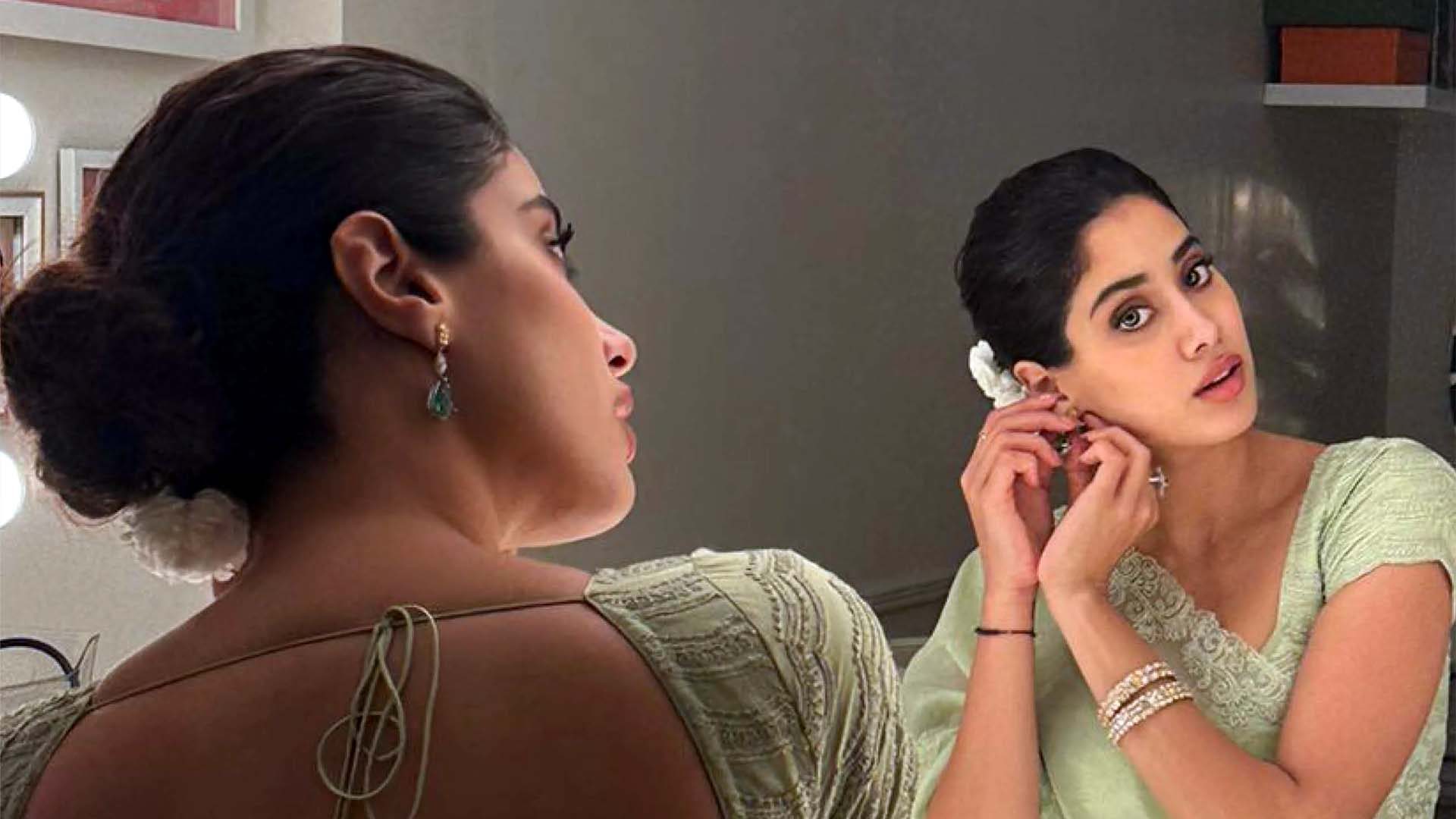
- Janhvi Kapoor has sought protection of her personality rights over alleged deepfakes, obscene content and impersonation accounts using her name and likeness.
- The Delhi High Court indicated it may order removal of clearly pornographic, obscene or profane material.
- Justice Anup Jairam Bhambhani questioned whether a blanket restriction on fan pages would unlawfully affect satire, criticism and legitimate expression.
- Kapoor’s lawyers submitted more than 4,000 URLs containing allegedly disputed material.
- The court asked Kapoor’s legal team to classify the URLs before determining the scope of any interim protection.
- The court indicated that commercial exploitation of Kapoor’s name, likeness, merchandise or services could warrant intervention.
Bollywood actor Janhvi Kapoor has approached the Delhi High Court seeking protection of her personality rights after allegedly obscene content, impersonation accounts and AI-generated deepfake images using her name and likeness surfaced online. The court indicated that it was inclined to order the removal of clearly pornographic and profane material but questioned whether such protection could extend to fan pages indiscriminately.
Justice Anup Jairam Bhambhani, hearing the matter, stressed the need to distinguish between unlawful exploitation of a public figure’s identity and legitimate criticism, satire or fan activity. The court questioned whether every page associated with an actor could be restrained merely because it uses the actor’s name or image.
Kapoor’s counsel, advocate Asav Rajan, told the court that the actor was particularly aggrieved by pornographic material, fake social media profiles and AI-generated images and deepfakes. He also alleged that accounts on Meta-owned platforms and X were impersonating Kapoor or circulating misleading information in her name.
The legal team argued that some of the disputed pages were also commercially exploiting elements of Kapoor’s personality. The plea seeks restrictions on third-party commercial use of her name, image and other attributes associated with her public persona, including alleged use to promote merchandise or services.
Court seeks limits on personality-rights protection
The court indicated that relief could potentially be granted across specific categories rather than through a blanket injunction. These included material that was clearly pornographic or obscene, content that directly monetised Kapoor’s personality rights, and use of her name or likeness to sell merchandise or promote services.
Justice Bhambhani nevertheless questioned whether fan clubs could be shut down as a category. The judge noted that some fan pages could contain satire or criticism of an actor’s work and said the court needed to determine where legitimate expression ended and unlawful exploitation began.
The court also cautioned against allowing personality-rights claims to become so broad that they could suppress legitimate speech or prevent discussion of alleged wrongdoing. Justice Bhambhani said the court needed to bring greater clarity to the concept of personality rights and determine the appropriate limits of judicial intervention.
The issue became more significant after Kapoor’s counsel submitted more than 4,000 URLs containing the disputed material. Meta Platforms, represented by advocate Varun Pathak, argued that the URLs could not all be treated alike because they did not uniformly contain obscene or profane content.
Pathak accepted that clearly objectionable material could be removed but sought narrower and identifiable categories for any wider order. The court subsequently directed Kapoor’s legal team to classify the disputed material to help determine what type of content should fall within any interim protection.
Balancing celebrity rights and free expression
The proceedings highlight the legal difficulty of protecting a public figure’s identity online without creating an overly broad restriction on speech. A celebrity’s name and likeness can be commercially valuable, but the same identifiers can also appear in fan communities, criticism, parody and commentary that do not necessarily amount to commercial exploitation.
The court’s approach suggests that the nature and purpose of the disputed use will be central to determining whether it infringes Kapoor’s personality rights. Clearly obscene material and commercial misuse may warrant stronger intervention, while non-commercial fan activity or criticism may require a different assessment.
The Delhi High Court has previously granted personality-rights protection to several actors and other public figures, including Tabu, Allu Arjun, Mohanlal, Kajol Devgan, R Madhavan and NTR Junior. Similar orders have also involved cricketers and other prominent public figures.
Kapoor’s case comes amid wider litigation over the misuse of celebrities’ identities online, including allegations involving artificial intelligence-generated content, impersonation and unauthorised commercial use.
The court will consider the matter further after the disputed URLs are categorised. The classification is expected to help determine how far any protection for Janhvi Kapoor’s personality rights should extend without restricting legitimate criticism, satire or other lawful expression.