Celebs
Hema Malini Rejects Highest-Paid Actress Claim, Says Films Meant More

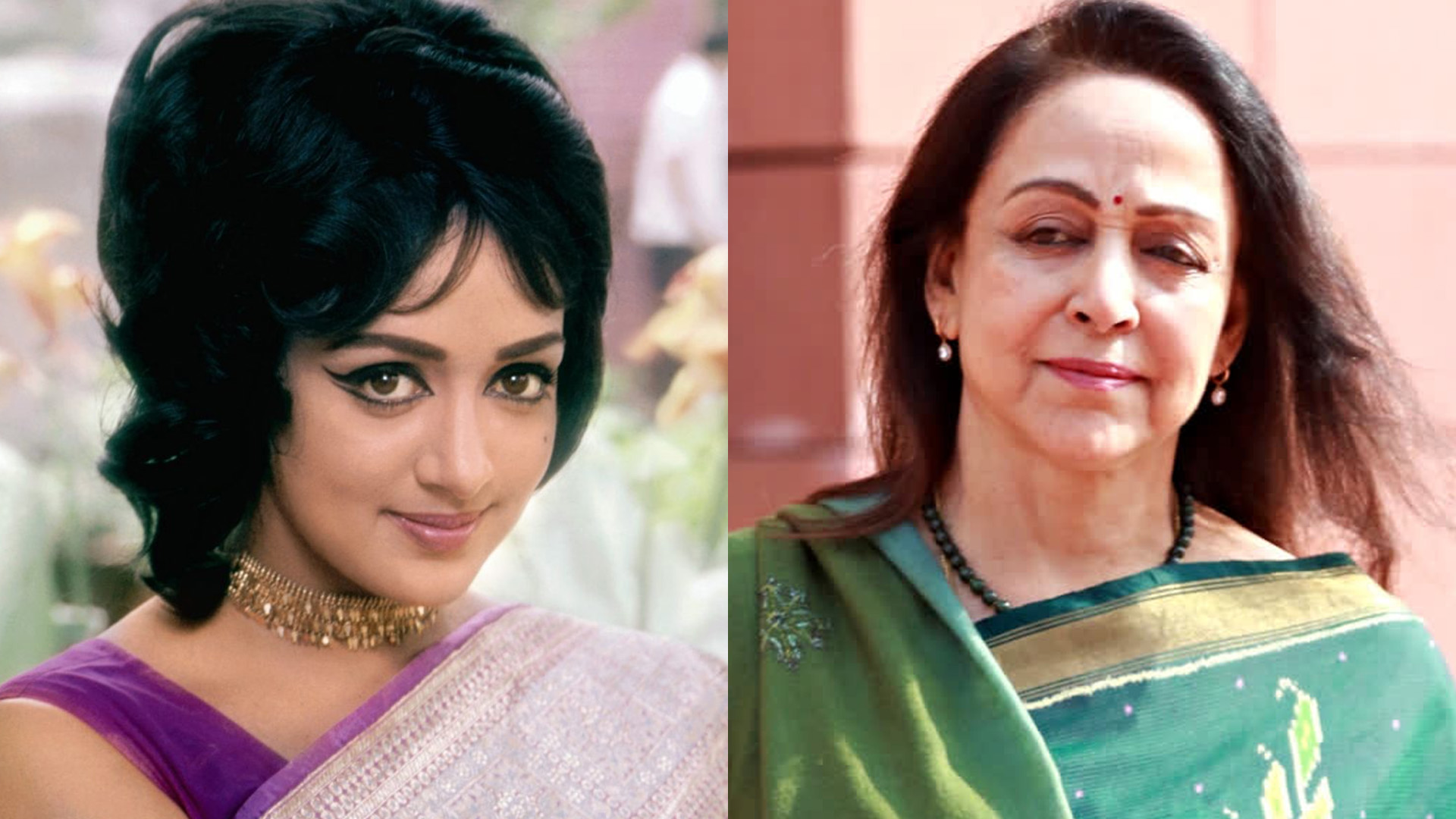
Hema Malini has dismissed the long-standing belief that she was once Bollywood’s highest-paid actress, saying she never earned the kind of remuneration associated with today’s stars. Speaking in a recent interview, the veteran actor and Member of Parliament said recognition and meaningful work mattered far more to her than financial rewards throughout her film career.
The actor, popularly known as Bollywood’s “Dream Girl,” addressed the claim during an interview with Hindi Rush, where she firmly rejected suggestions that she commanded record-breaking fees during the peak of her career in the 1970s and 1980s.
“Who said that?” Hema Malini responded when asked if she had been the industry’s highest-paid actress. She said actors of her generation received comparatively modest payments and that even at the height of her popularity, her remuneration increased only gradually as producers chose to pay more.
Hema Malini said she never worked with money as her primary motivation and emphasized that the experience of making films and the recognition she earned from audiences were far more valuable than her paychecks. She added that the fees earned during her era were nowhere close to what leading actors receive today.
The veteran star also explained that neither she nor her family insisted on fixed remuneration. She credited her late mother, producer and costume designer Jaya Chakravarthy, who managed her early career, for maintaining a flexible approach with filmmakers. If producers faced financial constraints, they would accept whatever payment was possible rather than negotiate aggressively.
Recalling the making of Meera, Hema Malini said the production struggled financially and that her family accepted whatever amount was handed to them in an envelope, describing it as being received “like bhiksha” or alms. She said they never refused a project because a producer could not meet a particular fee.
Hema Malini also said her approach mirrored that of her husband, legendary actor Dharmendra, who likewise avoided demanding higher remuneration from producers. She maintained that filmmakers were free to pay more if they wished, but she never made financial demands a condition for accepting a role.
Reflecting on the evolution of Hindi cinema, Hema Malini described the 1970s and 1980s as a unique “golden period” marked by memorable music, celebrated actors and enduring films. At the same time, she acknowledged that contemporary cinema has produced many strong films and said each era has its own identity.
Although she has largely stepped away from acting, Hema Malini said she has not ruled out returning to the screen if offered a role she finds compelling. Her most recent Hindi film release was Shimla Mirchi, directed by Ramesh Sippy.
Outside cinema, the Padma Shri awardee remains active as a Bharatanatyam performer and as the Bharatiya Janata Party’s Lok Sabha MP from Mathura. She said much of her time is devoted to public service, including constituency development and addressing local issues, making it difficult to commit to film projects regularly.
Hema Malini began her Hindi film career with Sapno Ka Saudagar in 1968 before rising to stardom with films such as Johnny Mera Naam, Seeta Aur Geeta, Sholay, Dream Girl, Trishul, Satte Pe Satta, Baghban and Veer-Zaara. She later expanded into filmmaking by directing and producing Dil Aashna Hai in 1992 before focusing increasingly on dance, television and public life.