Celebs
Huma Qureshi Criticises Bollywood’s Hyper-Sexualised Female Assassins

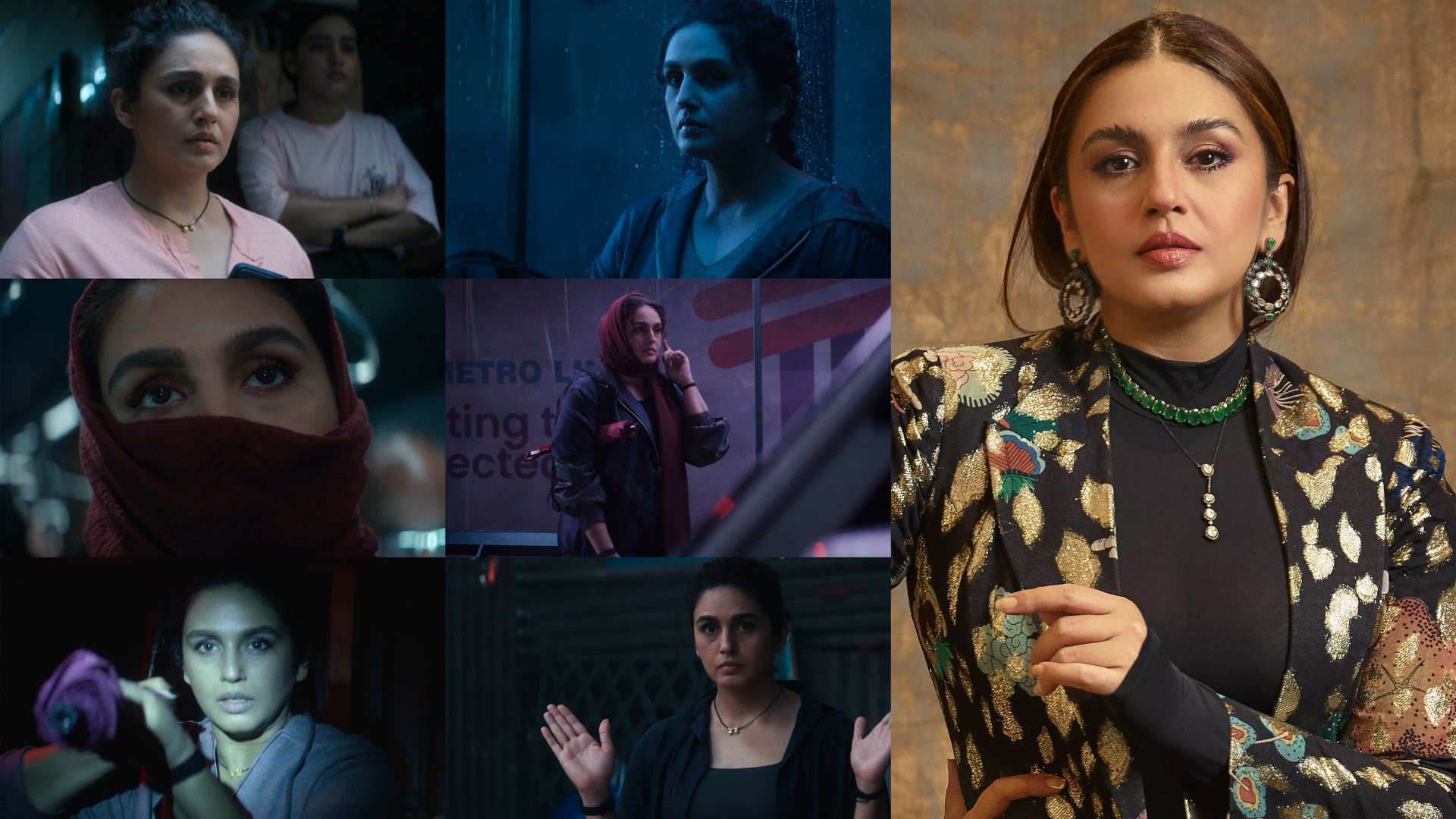
Huma Qureshi has criticised Bollywood’s portrayal of female assassins, arguing that the industry’s hyper-sexualised depiction of action heroines stems from patriarchy. Speaking after the July 3 theatrical release of Baby Do Die Do, the actor said she hopes the film encourages writers and filmmakers to create more layered, unconventional roles for women.
Huma Qureshi Wants to Redefine Female Action Heroes
Huma, who also produced Baby Do Die Do under her banner Saleem Siblings alongside her brother Saqib Saleem, plays Baby, a deaf and mute hitwoman whose understated appearance deliberately challenges long-standing action film stereotypes.
Explaining the creative approach behind the character, Huma said Baby was designed to look like an ordinary woman rather than a stylised femme fatale.
“The fact that she is so normal and regular looking and yet such a lethal killer is what makes it such an interesting tale. We just wanted to make a very relatable character. Baby is somebody you just meet in a Mumbai local and not bat an eyelid.”
She added that she believes Hindi cinema is gradually moving towards writing stronger female characters.
“I think there could be a lot more change when it comes to writing better parts. There’s definitely a step in the right direction.”
Huma Qureshi Says Hyper-Sexualised Female Assassins Reflect Patriarchy
The actor questioned Bollywood’s traditional portrayal of female assassins, saying powerful women are too often defined by glamour and revealing costumes instead of their abilities or personalities.
“That women have to be in these tight-fitting clothes, hyper sexualised sort of imagery to be able to be assassins. I think it is coming from patriarchy.”
According to Huma, women do not need to be sexualised to appear powerful or intimidating on screen, and she hopes filmmakers move towards more authentic and layered storytelling.
How Baby Do Die Do Reimagines Disability in an Action Film
One of the film’s central ideas is its portrayal of disability. Rather than presenting Baby’s inability to hear or speak as a limitation, Baby Do Die Do turns it into one of the character’s greatest strengths.
Huma said society often assumes women with disabilities are vulnerable. Through Baby, the film challenges that perception by portraying a highly capable and lethal assassin whose disability becomes an advantage rather than a weakness.
Why Huma Qureshi Produced Baby Do Die Do
The project also carries personal significance for Huma. She revealed that she first read the screenplay nearly four years ago and immediately wanted to play the lead role.
When she could not find a producer willing to back the project, she decided to produce it herself through Saleem Siblings.
Describing what attracted her to the script, Huma said she loved its unique blend of thriller, comedy and musical elements, along with its unconventional female protagonist.
How Huma Qureshi Prepared for the Role
Playing a deaf and mute assassin required extensive preparation. Huma trained in sign language with a dedicated coach and visited schools for children with hearing and speech disabilities to better understand their communication and daily experiences.
She said interacting with the children helped her build a more authentic performance for the character.
Cast, Release and What’s Next for Huma Qureshi
Directed by Nachiket Samant, Baby Do Die Do blends thriller, comedy and musical elements. The film stars Huma Qureshi alongside Sikandar Kher, Chunky Panday, Seema Pahwa and Rachit Singh, and released in theatres on July 3.
Up next, Huma will appear in Geetu Mohandas’ action film Toxic, led by Yash and featuring Kiara Advani, Nayanthara, Rukmini Vasanth and Tara Sutaria. The film is scheduled to release on August 26.