Talks
Vinod Kapri Claims Pyre Lost 75% Shows After Ramayana Release

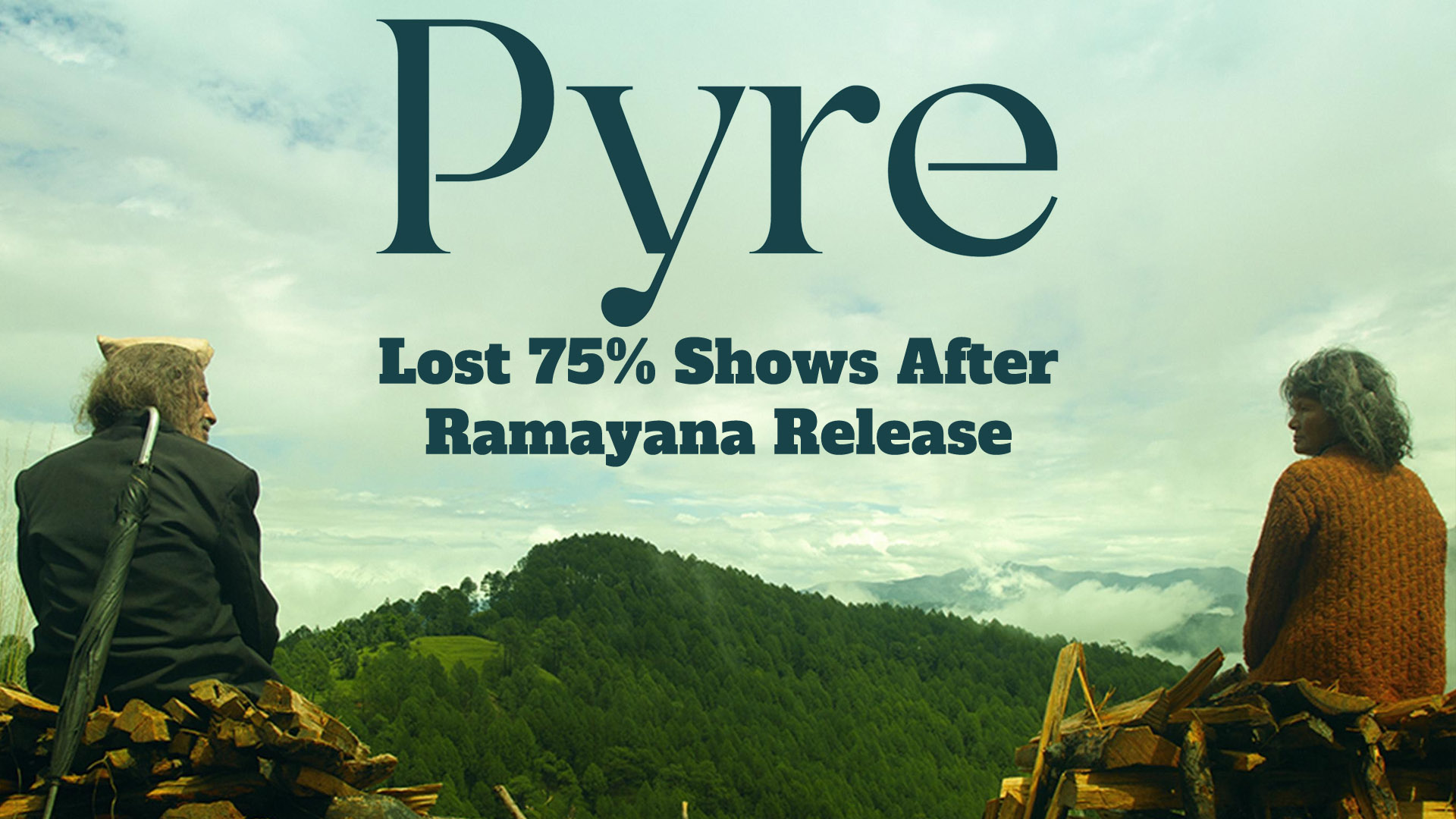
- Filmmaker Vinod Kapri has alleged that his film Pyre lost more than 75% of its theatrical shows following the release of Ramayana.
- According to Kapri, Pyre expanded from approximately 80 shows to more than 400 within three to four days before its screenings dropped to fewer than 100.
- The director claimed theatre owners and distributors told him they had been instructed to screen only one specific film.
- Kapri said Pyre was made on a budget of approximately ₹2 crore to ₹2.5 crore and featured non-professional actors.
- The filmmaker shared screenshots showing a reduction in the film’s Delhi screenings from 66 shows a day to 16.
- Pyre was released on October 30, while Ramayana arrived in theatres on November 5.
Filmmaker Vinod Kapri has alleged that his film Pyre lost more than 75% of its theatrical shows following the release of Ramayana, raising questions about screen allocation practices and the challenges faced by smaller productions in securing cinema space. The director claimed that the number of screenings for his film dropped from more than 400 to fewer than 100 within two days, despite what he described as encouraging audience feedback.
Kapri raised the issue through posts on X and Instagram, expressing frustration over the reduction in shows. Although he did not explicitly name Ramayana in his initial remarks, his comments appeared to refer to the distribution arrangements surrounding the big-budget film, which reached theatres on November 5.
According to Kapri, Pyre initially received a limited release of approximately 80 shows across 80 screens. Positive word of mouth reportedly helped the film expand its theatrical presence to more than 400 shows within three to four days.
However, the filmmaker said the screenings were subsequently reduced sharply. He alleged that conversations with theatre owners and distributors indicated that they had been instructed to prioritise one particular film, even when other movies had available seats and interested audiences.
Vinod Kapri questions sudden reduction in Pyre shows
In his post on X, Kapri described the reduction as unfair to both the film and its audience.
“When Pyre was released, we went for a very limited release from the very beginning, around 80 shows across 80 screens. Thanks to your love, within three to four days, the film got 400 screens and more than 400 shows. However, in the last two days, at least 75 percent shows were cut. The number, which climbed above 400, has now dropped to fewer than 100 shows nationwide.”
The director said theatre owners and distributors had informed him that they had received instructions to screen only one specific film.
Kapri questioned why a major release should require smaller films to lose their theatrical space. He argued that a film receiving more screenings should not automatically mean that other productions are pushed out of cinemas.
In his Instagram video, the filmmaker also expressed disappointment over the situation, saying that Pyre had attracted audiences despite its limited resources.
Director highlights Pyre’s modest budget
Kapri said Pyre was produced on a budget of approximately ₹2 crore to ₹2.5 crore and featured non-professional actors.
The film’s initial expansion from around 80 shows to more than 400 screenings had encouraged its team, according to the director. He said the production had connected emotionally with audiences, making the subsequent reduction in shows particularly disappointing.
Kapri also shared screenshots highlighting changes in the film’s theatrical listings across different cities.
In one post, he pointed to the reduction in Delhi screenings, stating, “From 66 shows a day in Delhi to just 16.”
He also shared screenshots of screenings in Bengaluru, where several shows appeared to be nearly full. The filmmaker maintained that the film deserved an opportunity to reach audiences interested in watching it.
Appealing to theatre owners and distributors, Kapri said:
“I appeal to the theatre owners and all our friends among the distributors, please, do not commit this injustice, do not treat our film this way. You may have invested a large amount of money into your film, but we have poured our entire souls into ours. We too deserve a fair chance.”
Pyre and Ramayana: Release details and film backgrounds
Pyre arrived in theatres on October 30. Set in a remote village in Uttarakhand, the emotional drama revolves around Amma and Bubu, an elderly couple who have been waiting for their son for 28 years.
The film explores their relationship against the backdrop of a mountain village affected by migration and a declining population.
Ramayana, directed by Nitesh Tiwari and produced by Namit Malhotra, was released worldwide on November 5. The two-part film features Ranbir Kapoor as Lord Ram, Sai Pallavi as Sita and Yash as Ravana.
The combined reported budget of the two parts is ₹4,000 crore. According to Sacnilk figures cited in the supplied reporting, the first instalment collected ₹221.05 crore worldwide in its opening two days, including ₹134.80 crore in India and ₹86.25 crore overseas.
Screen allocation debate returns to Indian cinema
Kapri’s allegations have brought renewed attention to concerns about the availability of theatrical screens for independent films when major productions arrive.
The supplied reports also recalled a similar debate surrounding Pushpa 2: The Rule in 2024. Filmmaker Vikramaditya Motwane had questioned distribution practices after allegations emerged that smaller films were struggling to secure adequate screenings during the film’s theatrical run.
The same period saw Payal Kapadia’s All We Imagine as Light, despite its Grand Prix recognition at the Cannes Film Festival, reportedly face difficulties in securing sufficient theatrical shows.
Motwane had warned against monopolisation of multiplex screens, arguing that such practices could establish a damaging precedent for the film industry.
In the case of Pyre, the claims about instructions to exhibitors and distributors remain Kapri’s allegations as presented in the supplied reports. No direct response from the distributors, theatre owners or Ramayana’s production team was included in the available material.