Review
Raja Shivaji Review: Admiration for Intent, Mixed Response to Execution

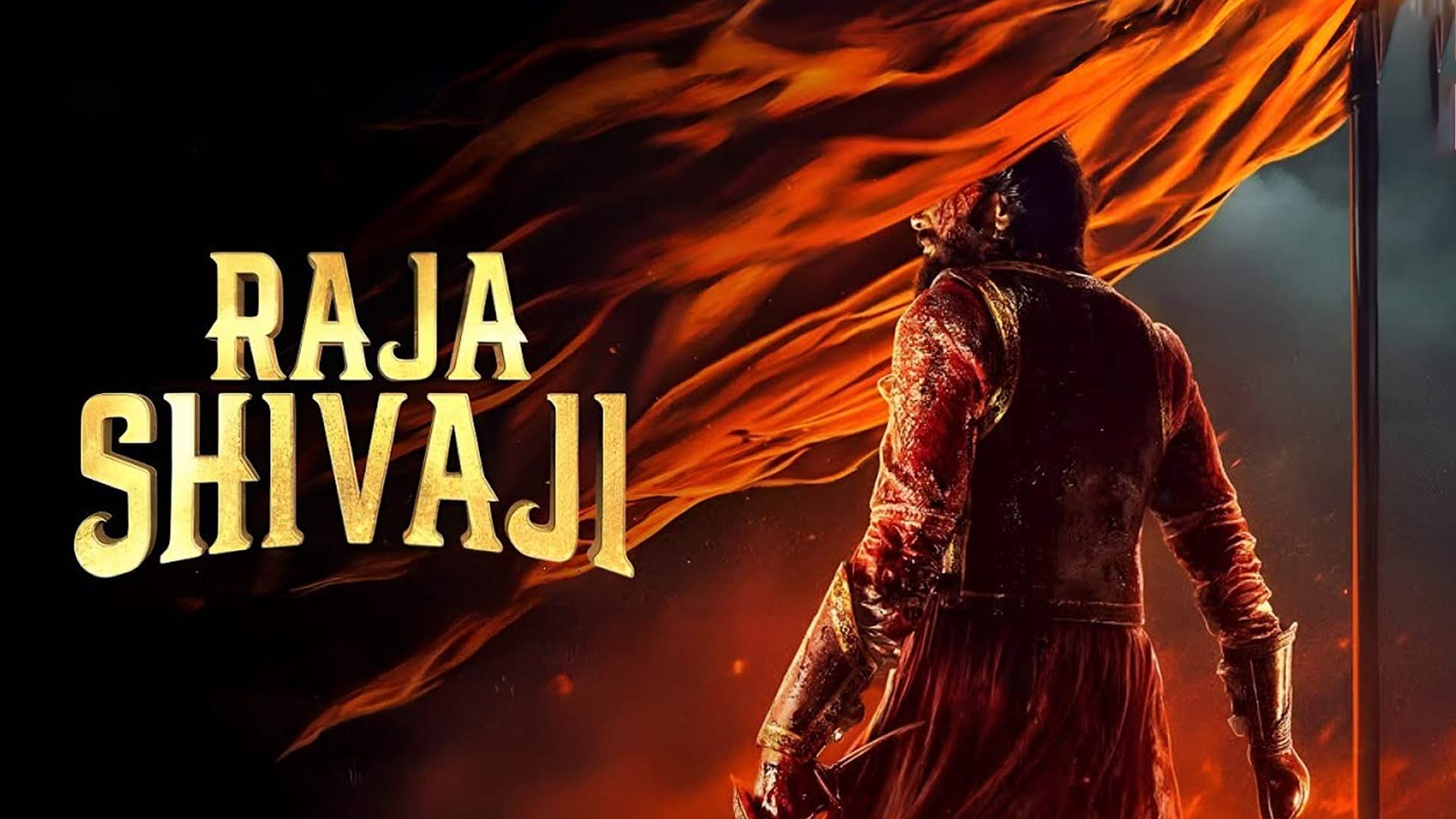
Raja Shivaji, directed by and starring Riteish Deshmukh, has received mixed-to-positive reviews, with critics and audiences praising its ambition, scale, and intent while pointing out shortcomings in narrative engagement and pacing. The historical drama traces the life of Chhatrapati Shivaji Maharaj, focusing particularly on his rise and his conflict with Afzal Khan.
A Grand Vision Anchored in History
The film positions itself as a large-scale historical spectacle, often described as one of the most expensive Marathi films made. It spans key moments in Shivaji Maharaj’s life, from his early years to his defining confrontation with Afzal Khan, played by Sanjay Dutt.
Reviewers widely acknowledge the film’s attention to detail, elaborate battle sequences, and visual ambition. Many noted that Deshmukh spent years developing the project, reflecting a deep commitment to portraying the Maratha king’s legacy.
However, several critiques highlight that the film leans heavily toward documentation rather than dramatic storytelling. While it remains largely faithful to historical events, the narrative often lacks emotional depth, especially in the first half.
Uneven Storytelling and Pacing Issues
A recurring observation across reviews is the film’s uneven structure. The first half focuses on Shivaji consolidating power and introduces key characters, including Jijabai (Bhagyashree), Sambhaji (Abhishek Bachchan), and Saibai (Genelia Deshmukh). Critics note that this portion feels crowded and emotionally distant.
In contrast, the second half—centered on Shivaji’s rivalry with Afzal Khan—has been described as tighter and more engaging. The climactic sequences, particularly the strategic and symbolic confrontation, stand out as the film’s strongest moments.
Some reviews describe the film as “plodding” or “studious,” pointing to its lengthy runtime of over three hours and slow pacing. Others note a noticeable improvement in direction, cinematography, and storytelling after the interval.
Performances: Strong but Not Transformative
Riteish Deshmukh earns credit for his sincerity and dedication in portraying Shivaji. While many found his performance convincing, some critics felt he lacked the commanding screen presence associated with the historical figure.
Supporting performances have been widely appreciated:
Genelia Deshmukh is praised for bringing emotional depth to Saibai
Sanjay Dutt delivers a powerful portrayal of Afzal Khan
Vidya Balan stands out in a layered supporting role
Abhishek Bachchan adds gravitas as Sambhaji
The ensemble cast is generally seen as a strength, although some reviewers pointed to instances of miscasting or inconsistent performances.
Technical Aspects: Visual Strength, Mixed Execution
Cinematography by Santosh Sivan receives mixed feedback. While some sequences are visually striking, others suffer from noticeable CGI inconsistencies and overuse of slow motion.
Music by Ajay-Atul emerges as a major highlight. Multiple reviews credit the soundtrack and background score for elevating key moments and adding emotional weight. In contrast, the background score by John Stewart Eduri is seen as less effective.
Editing and screenplay remain points of criticism, with several reviewers suggesting that a tighter cut could have significantly improved the film’s impact.
Balancing Reverence and Complexity
The film has been noted for its reverential tone toward Shivaji Maharaj. While this approach resonates with audiences seeking a tribute, some critics argue it limits deeper exploration of his personality and ideals.
A few reviews highlight that the film touches briefly on Shivaji’s vision of Swarajya and his concern for common people but does not fully explore these aspects. Instead, it focuses more on heroic imagery and myth-making.
At the same time, some critics acknowledge that the film avoids extreme polarization and attempts a measured portrayal of historical conflicts.
Audience Reception and Early Reactions
Audience reactions appear more favorable than critical reviews. Trade analyst Taran Adarsh awarded the film four stars, calling it a “grand cinematic salute” and praising Deshmukh’s direction and performance.Social media responses highlight:
Strong appreciation for Ajay-Atul’s music
Positive reactions to the climax
Mixed opinions on casting and screenplay
The film is also expected to perform well commercially, particularly given its cultural resonance.
Final Verdict
Raja Shivaji stands as an ambitious and respectful tribute to one of India’s most revered historical figures. It succeeds in scale, intent, and moments of cinematic impact, particularly in its second half and climax.
However, inconsistent pacing, a crowded first half, and limited emotional engagement prevent it from becoming a consistently gripping experience. The film ultimately earns admiration for its effort and vision, even if it does not fully deliver as a compelling drama.