Talks
AI-Generated Films Go Viral as Indian Industry Weighs Human Creativity

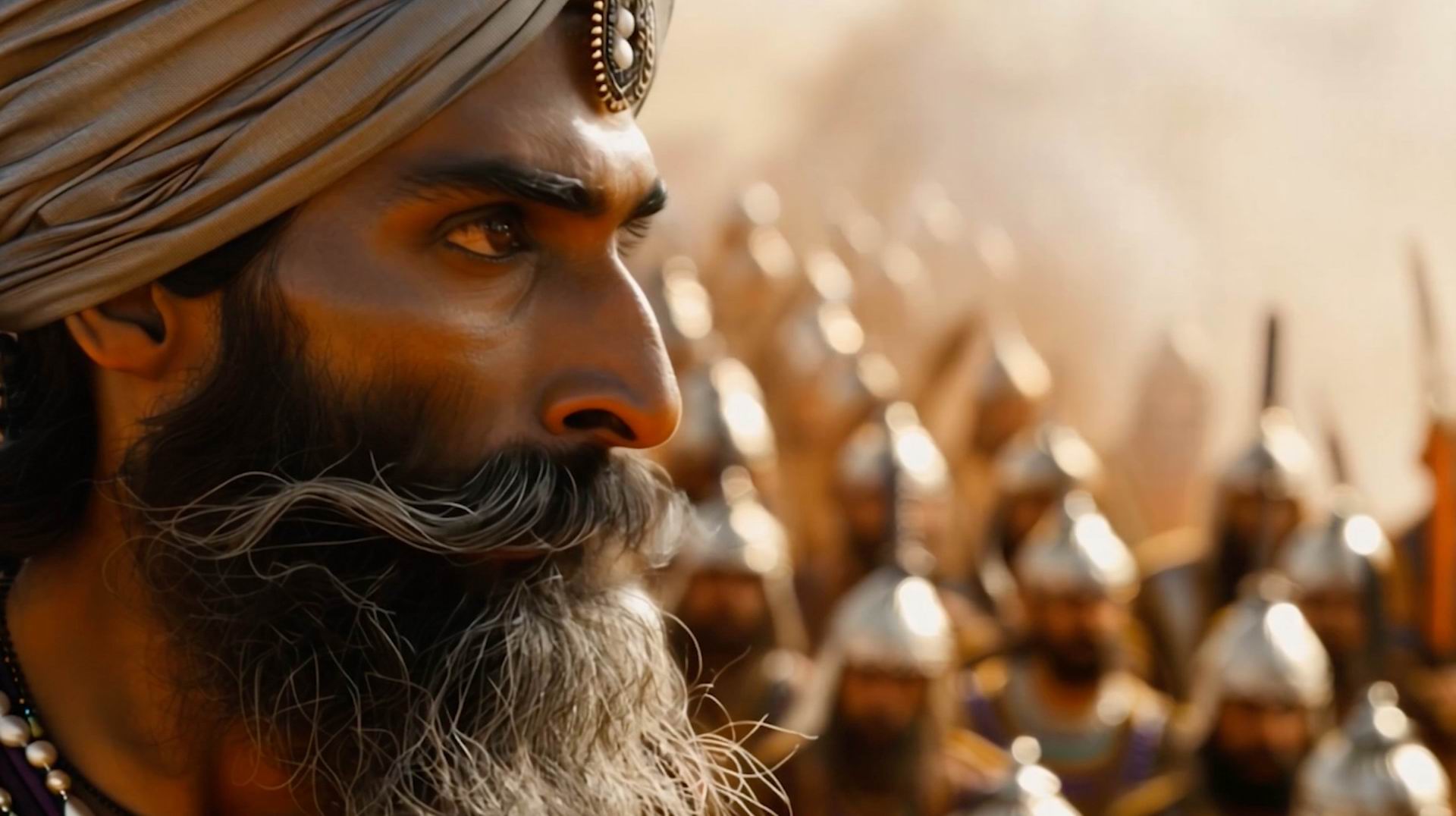
Artificial intelligence is rapidly becoming part of mainstream filmmaking in India, with filmmakers, studios and technology companies increasingly using AI tools for visual development, dubbing, pre-visualisation and even fully AI-generated films. At the same time, directors, actors and technicians across the industry remain divided over whether the technology can replicate human creativity and emotional storytelling.
The debate has intensified as AI-generated short films such as The Patchwright, Zombie Scavenger, Push The Button and Sinicitum gained millions of views online. Created using tools including Midjourney, Seedance 2.0 and Veo 3.1, the films have fuelled discussions about how quickly AI filmmaking is evolving.
One of the creators drawing attention is Zack London, founder of Gossip Goblin, who has been described by The Hollywood Reporter as the “George Lucas of AI.”
## AI adoption expands across Indian filmmaking
Indian filmmakers and production companies are already incorporating AI into their workflows. Vijay Subramaniam, founder and CEO of Collective Artists Network, said AI adoption is expected to grow in the same way digital cameras and CGI became standard tools in filmmaking.
Subramaniam is associated with Mahabharata, which streams on JioHotstar and has been created using AI-assisted processes.
Dipankar Mukherjee, co-founder and CEO of Studio Blo, said AI has already become “a mainstream tool for filmmaking.” His company is working with Shekhar Kapur on Warlord, described as India’s first AI-driven sci-fi series.
Mukherjee also told participants at the The Content Hub x VFX & More Summit 2026 that AI may democratise filmmaking tools, but not talent itself. Panellists at the event repeatedly argued that audiences still respond to storytelling, craft and emotional depth rather than technology alone.
## Filmmakers question whether AI can replace human emotion
The rapid rise of AI-generated content has also triggered resistance from filmmakers who believe cinema depends on human performance and lived experience.
Oscar-winning filmmaker Guillermo del Toro expressed his opposition to AI filmmaking during the Cannes Film Festival, saying, “F*** AI.”
Bollywood director Amit Rai argued that audiences connect with performances because they know real people are behind them.
“An AI film is not going to appeal to the audience. Because the audience knows that all this is a lie,” Rai told India Today Tech. Referring to action star Jackie Chan, he added, “I know it is not possible. But if Jackie Chan does it, I will see it. Because it is through humans.”
Arpan Gaglani, founder of philmCGI, said AI tools alone do not make someone a filmmaker. His company has contributed VFX work to films including Kalki 2898 AD and Dhurandhar.
“Just because you know AutoCAD, you do not become an architect,” Gaglani said, stressing that filmmaking still depends on years of experience in editing, cinematography and storytelling.
## AI controversies and changing creative control
The industry’s AI debate intensified after Eros International released an alternate AI-generated ending for Raanjhanaa in Tamil. The revised version altered the original tragic climax so that the lead character, played by Dhanush, survives.
Director Aanand L. Rai and Dhanush publicly opposed the AI-modified version. Dhanush wrote on social media that the altered ending “stripped the film of its very soul.”
Eros defended the release by citing its ownership rights over the film under Indian copyright law. Entertainment lawyer Priyanka Khimani said many Indian film agreements are structured broadly enough to allow studios to exploit works across future technologies.
The controversy sparked broader discussions about creative ownership, performer consent and the use of AI-generated modifications in cinema.
## AI reshapes dubbing, animation and production pipelines
AI tools are also transforming post-production and localisation work across the Indian entertainment industry.
Sidharth Meer used AI-powered tools on Jigra to enhance Alia Bhatt’s eyes using face-tracking technology, reducing manual visual effects work.
Siddharth Diwan said AI image generation helped him visualise scenes for a mythological epic when verbal explanations were insufficient.
The Malayalam film Rekhachithram used AI to create a younger version of Mammootty and digitally alter archival footage of late screenwriter John Paul.
AI dubbing has emerged as another major area of disruption. War 2 reportedly used NeuralGarage’s VisualDub technology to synchronise lip movements across multiple language versions featuring Hrithik Roshan and Jr. NTR.
Industry professionals have warned that such technology could significantly affect India’s large dubbing ecosystem. Voice artist Ghazal Khanna said a substantial share of advertising voice work has already shifted to AI-generated systems.
## Industry remains divided on AI’s future
Despite concerns around copyright, jobs and creative authenticity, many filmmakers continue to see AI as a tool rather than a replacement for human storytelling.
Shakun Batra said AI could eventually support hybrid filmmaking models where actors and performances remain traditional while AI assists with environments and world-building.
Danish Devgn, associated with Lens Vault Studios, said his team uses AI during early development for concept art and visual experimentation while keeping writers and filmmakers at the centre of the process.
Filmmaker Anurag Kashyap remained sceptical, arguing that filmmaking does not fundamentally require generative AI. “All you need is a camera,” he said.
As AI-generated filmmaking continues to evolve, India’s entertainment industry is emerging as one of the largest testing grounds for how artificial intelligence could reshape cinema production, creative ownership and audience expectations.
AI filmmaking, Bollywood AI, The Patchwright, Zack London, Gossip Goblin, Vijay Subramaniam, Studio Blo, Shekhar Kapur, Warlord, Raanjhanaa AI ending, Dhanush, Aanand L Rai, Eros International, AI dubbing, NeuralGarage, War 2, Rekhachithram, Mammootty, Anurag Kashyap, Guillermo del Toro, JioHotstar, Kalki 2898 AD, Shakun Batra, Lens Vault Studios, AI in cinema, Indian film industry