Talks
Romance Fades, Revenge Rises: Why Angry Heroes Rule Hindi Cinema Today

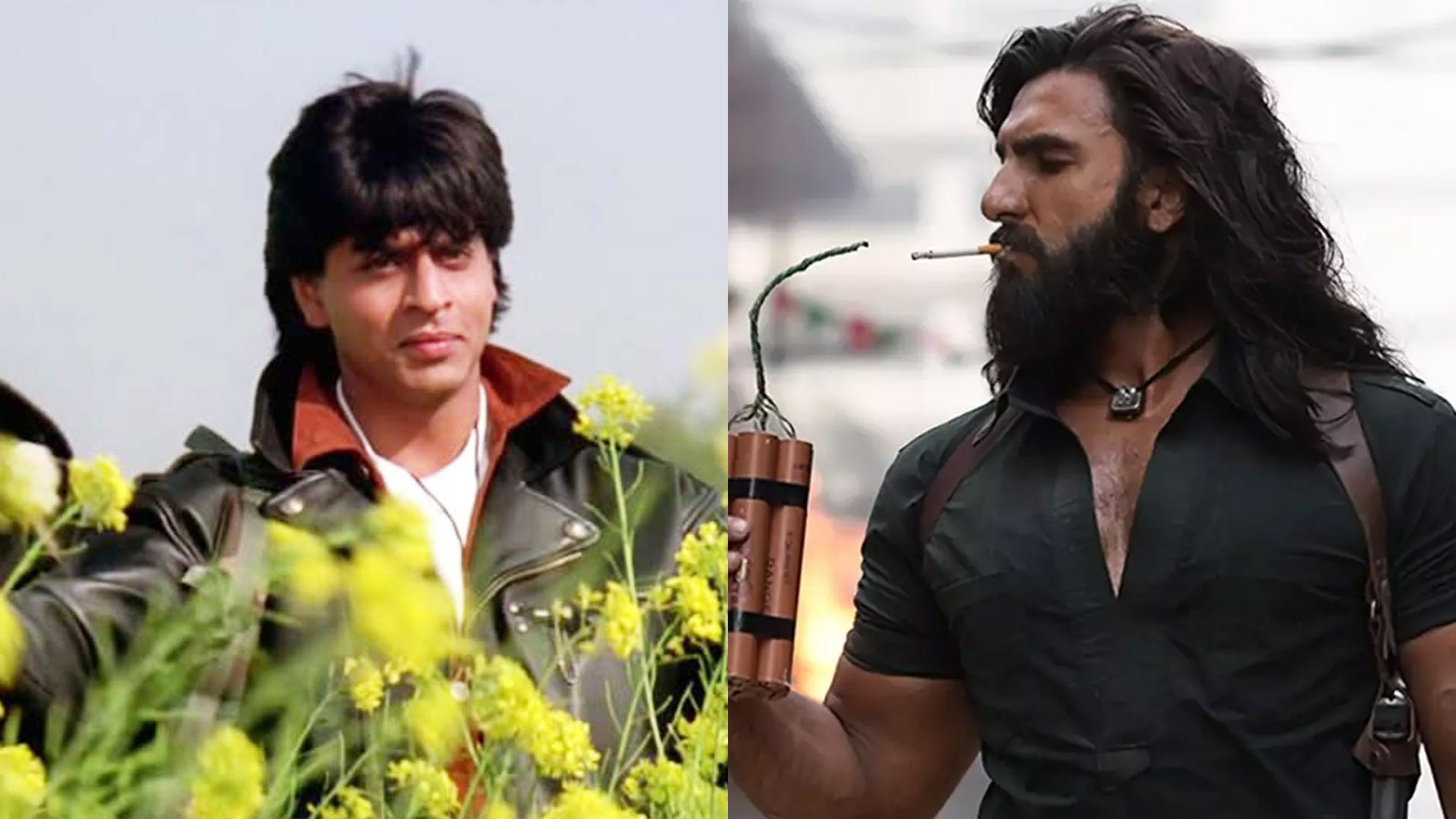
Hindi cinema is undergoing a significant shift in its storytelling and hero archetypes. Where the 1990s were defined by romance and idealism, today’s box office is dominated by anger, power, and revenge-driven narratives.
For years, films popularised the image of the romantic hero—characters like Raj and Rahul, immortalised by stars such as Shah Rukh Khan in films like Dilwale Dulhania Le Jayenge. These stories centred on love conquering all, with emotional vulnerability and charm at their core.
In contrast, the modern cinematic landscape presents a starkly different figure: the “Angry Young Man,” driven by fury rather than affection.
The Rise of the Angry Protagonist
Recent blockbusters such as Animal, KGF: Chapter 1, Pushpa: The Rise, and Dhurandhar: The Revenge highlight this shift. These films place hyper-masculine, morally complex characters at the centre—men who bypass systems rather than seek justice within them.
The article notes that “the dominant fantasy is no longer love. It is power.” These protagonists are often wounded, anti-establishment figures who channel frustration into action, reflecting a broader tonal change in storytelling.
A Return to a Familiar Archetype
The “Angry Young Man” is not new to Indian cinema. The persona was famously popularised by Amitabh Bachchan during the 1970s and 1980s, a period marked by social and economic unrest.
Unlike the romantic heroes who followed, Bachchan’s characters were shaped by disillusionment and anger. As the article puts it, “He did not sing his way through injustice. He punched through it.”
While this archetype never fully disappeared, it had receded in prominence during the era of multiplex-driven storytelling in the 2000s, which leaned toward urban themes, relationships, and aspirational lifestyles.
Box Office Trends Reflect Audience Sentiment
According to the analysis, the resurgence of rage-driven narratives is not accidental. It reflects a deeper audience demand.
“These films are not manufacturing rage. They are monetising a rage that already exists,” the piece states, suggesting that the popularity of such films mirrors widespread frustration and a disconnect between aspiration and reality.
The appeal lies in the fantasy of power—particularly when systems feel inaccessible or unjust. The article observes, “When love feels unaffordable, people buy power. When fairness feels impossible, people worship force.”
Critics vs Audience Reception
The growing dominance of such films has also sparked debate among critics. While some dismiss them as excessive or problematic, the article argues that this perspective may overlook a key factor: audience identification.
Rather than viewing these films as cultural outliers, the analysis positions them as reflections of public mood. It suggests that popular cinema often acts as a diagnostic tool, detecting societal shifts before they are widely acknowledged.
Decline of the ‘Soft Hero’
Another notable shift is the declining cultural dominance of the “safe” or “soft” protagonist. The article notes that audiences are increasingly drawn to avengers rather than traditional heroes.
This transformation signals a broader change in audience expectations, where emotional intensity, aggression, and rebellion are replacing charm and relatability as defining traits of mainstream leads.